
Choosing the right retreat house can shape the entire experience of your break away from daily life. Whether you’re searching for a quiet peace retreat house tucked into the countryside or a summer house retreat by the water, the process of finding the right fit involves more than simply booking the first place that appears in a search. This guide walks through what to consider before you commit, so your stay delivers the calm and renewal you’re after.
What Makes a House of Retreat Different from a Regular Guest House
A house of retreat is designed with intention. Unlike a standard hotel or holiday cottage, a proper retreat house is built and run around the idea of slowing down — fewer distractions, more natural surroundings, and spaces created for reflection, rest, or group work. Many retreat guest house venues also offer structured programmes, from yoga and meditation to creative workshops, alongside simple accommodation.
When comparing options, it helps to understand the difference between a venue that merely calls itself a house retreat for marketing purposes and one genuinely structured to support that purpose — through its layout, setting, and the activities on offer.
Where to Look: Finding an Open House Retreat Location
An open house retreat location — one that welcomes visitors for open days, tours, or trial stays — is often the easiest way to judge whether a venue suits your needs before committing to a longer booking. Attending an open day lets you see the grounds, meet the hosts, and get a feel for the atmosphere firsthand, rather than relying solely on photographs and descriptions online.

Choosing Among Retreat Houses to Rent
If you’re planning a private stay rather than joining a scheduled programme, there are plenty of retreat houses to rent across rural and coastal areas alike. Renting privately gives you full control over your schedule and who joins you, which suits families, small groups, or anyone wanting solitude on their own terms.
Key Factors to Consider
- Location and accessibility — Consider how far you’re willing to travel and whether the setting (forest, lakeside, countryside) matches the atmosphere you want.
- Size and privacy — Decide whether you want a private house entirely to yourself or a shared retreat guest house with communal spaces.
- Facilities on site — Check for saunas, outdoor spaces, kitchens, and meeting rooms if you’re planning workshops or group activities.
- Programme or freedom — Some venues offer structured schedules; others simply provide the space and let you set your own pace.
- Reviews and reputation — Look for guest feedback specifically about the peace and quiet of the location, not just the amenities.
- Sustainability and setting — Many of the best retreat houses are chosen precisely because they sit within nature reserves or protected landscapes, adding to the sense of escape.
- Booking flexibility — Confirm cancellation policies and minimum stay requirements, especially for a summer house retreat during peak season.
A Good Example: Narbuli Retreat House
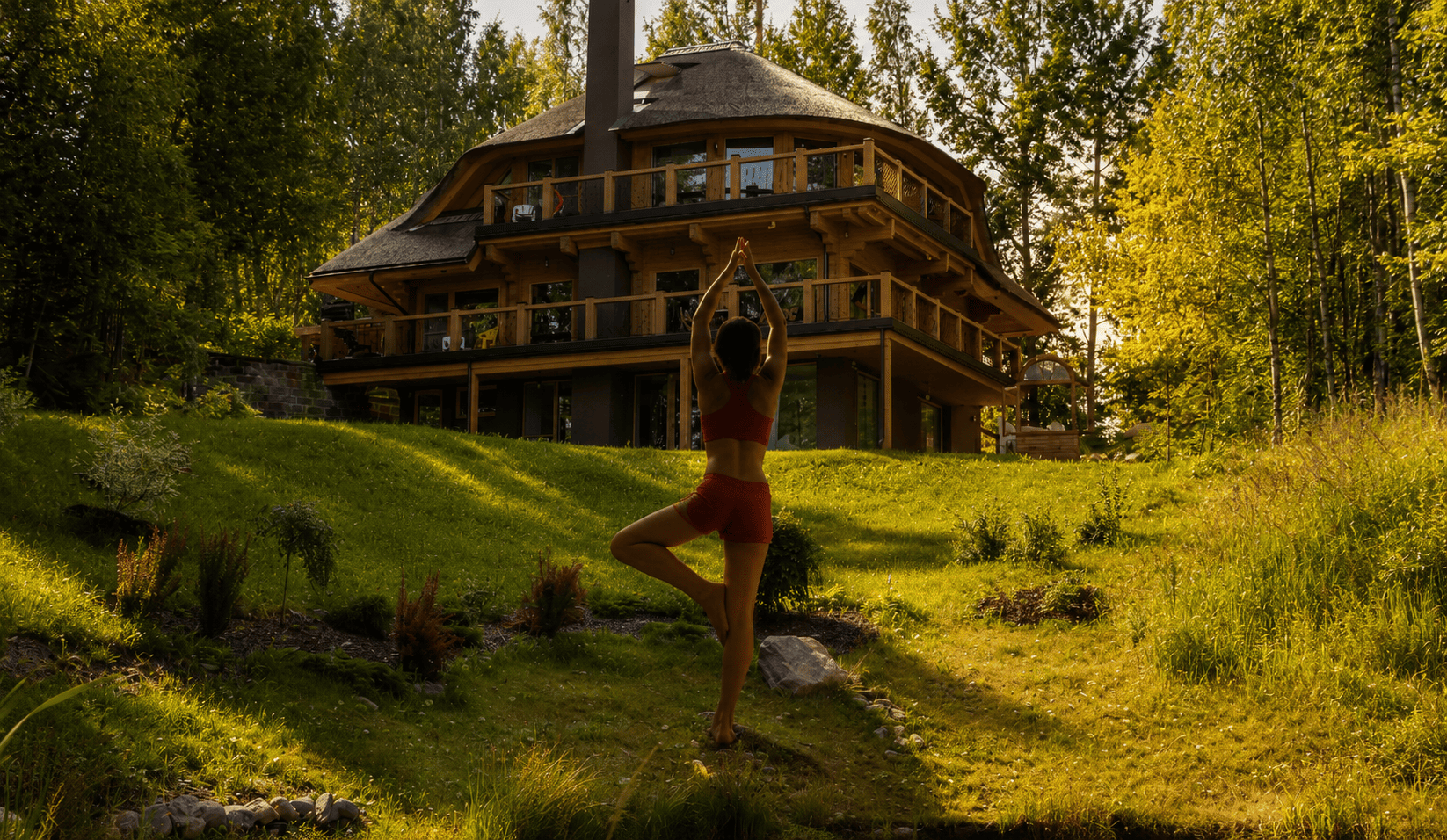
One venue worth mentioning as an example of how these elements come together is Narbuli Retreat House, located in Amatciems, Latvia. Set within a natural landscape away from city noise, it reflects many of the qualities described above — a calm, private setting combined with the flexibility to host both individual guests and small groups seeking a genuine break from routine.
Final Thoughts
Finding the best retreat house isn’t about picking the most popular name on a search results page — it’s about matching the setting, facilities, and atmosphere to what you actually need from your time away. Whether you’re drawn to a structured programme or simply want a quiet house retreat to call your own for a few days, taking the time to compare your options properly will make all the difference.